Home Without Boundaries

How do NYC’s public spaces evoke feelings, memories, and rituals of home?

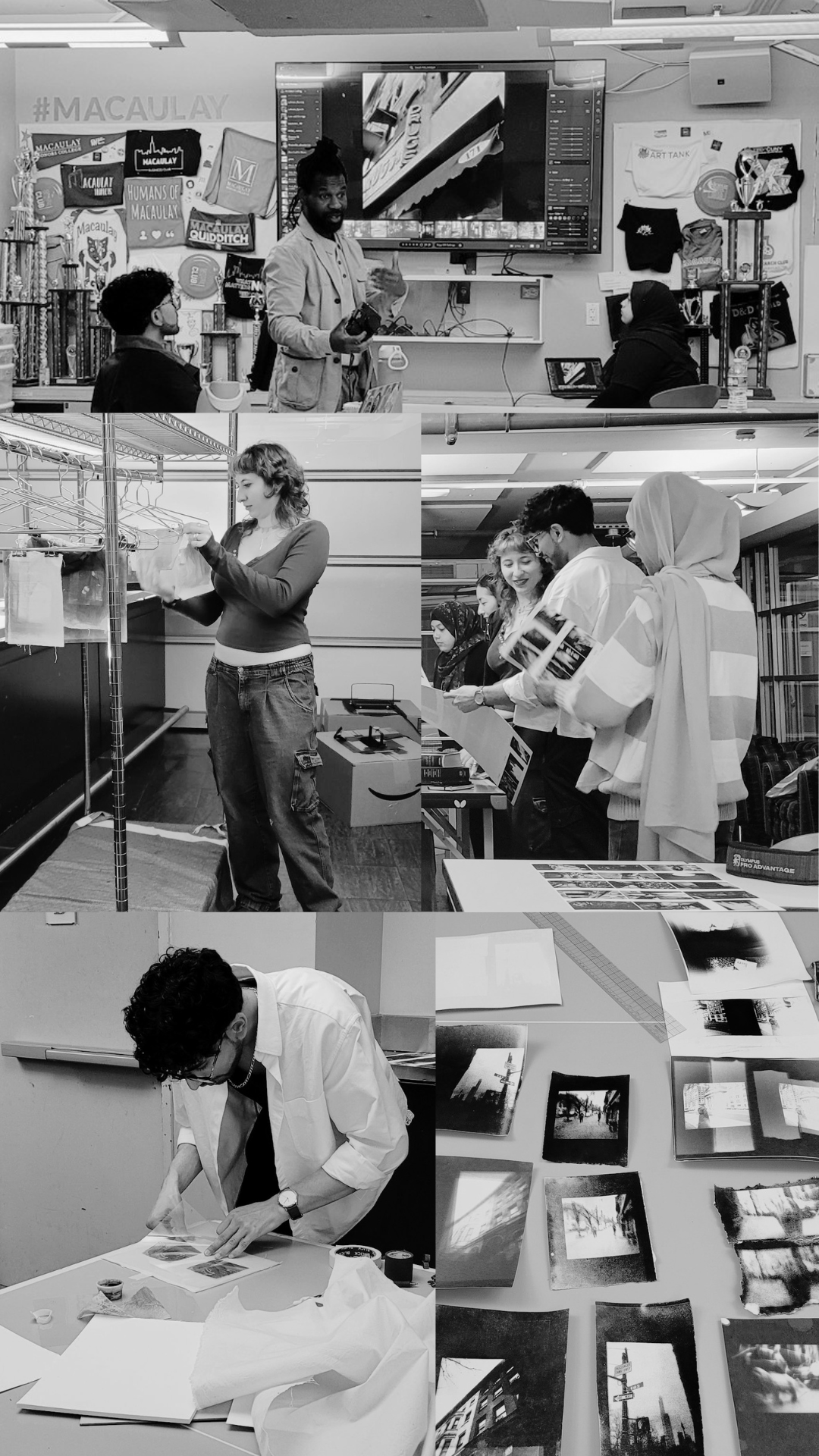
Our 2026 Photo Urbanism theme, Home Without Boundaries, explores how shared spaces of gathering create community and a sense of home and belonging. In partnership with the Macaulay Honors College at CUNY, eight students were selected to participate in a paid week-long photography workshop examining this prompt, led by local photographer and Design Trust Photo Urbanism Fellow Barnabas Crosby. The final exhibition of student work will be on display at Macaulay in June 2026, learn more here and explore the digital archive below:

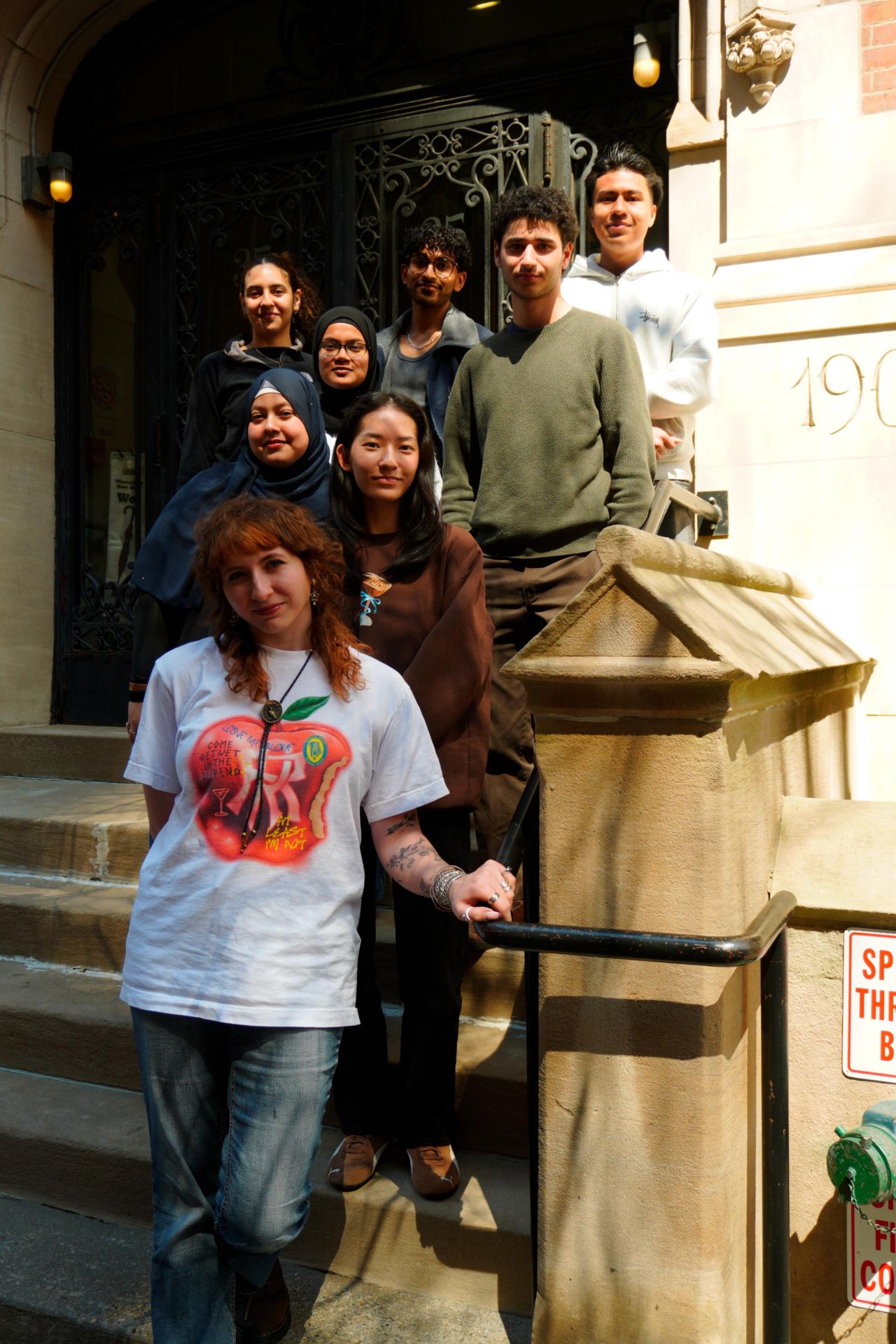
The Macaulay Honors College Photo Urbanism Fellows 2026
Macaulay Fellows

2026

Led by Teaching Fellow Barnabas Crosby

Barnabas Crosby is a Brooklyn-based educator, visual storyteller, and native of Cleveland. Barnabas is the creator of Whiskey Boys Ent., a storytelling vehicle to share stories of Everyday Black Living through black and white stills and moving pictures.  Trained as a playwright and dramaturg, Barnabas uses education, art, and media to teach young people how to craft their individual and cultural narratives.

Barnabas was the Design Trust for Public Space 2021-2022 Photo Urbanism fellow, documenting the ingenuity of small businesses utilizing public space during the pandemic through creative portraits on a handball court-turned studio, in collaboration with our Neighborhood Commons project. His final exhibition, “Holding Court,” was showcased in Times Square Over New Year’s Eve 2022 on the NASDAQ building on Broadway and 43rd Street and on display at the Brooklyn Public Library Central Branch.

Barnabas returned to the Photo Urbanism program as a Teaching Fellow in 2026 to lead a cohort of young photographers through a guided paid fellowship, examining photography as a tool for personal research and urban storytelling. Click below to read their artist statements:

Home Without Boundaries Final Exhibition Digital Archive
Home Without Boundaries

Macaulay Fellows

Artist Statement

Meet the 2026 Photo Urbanism cohort:

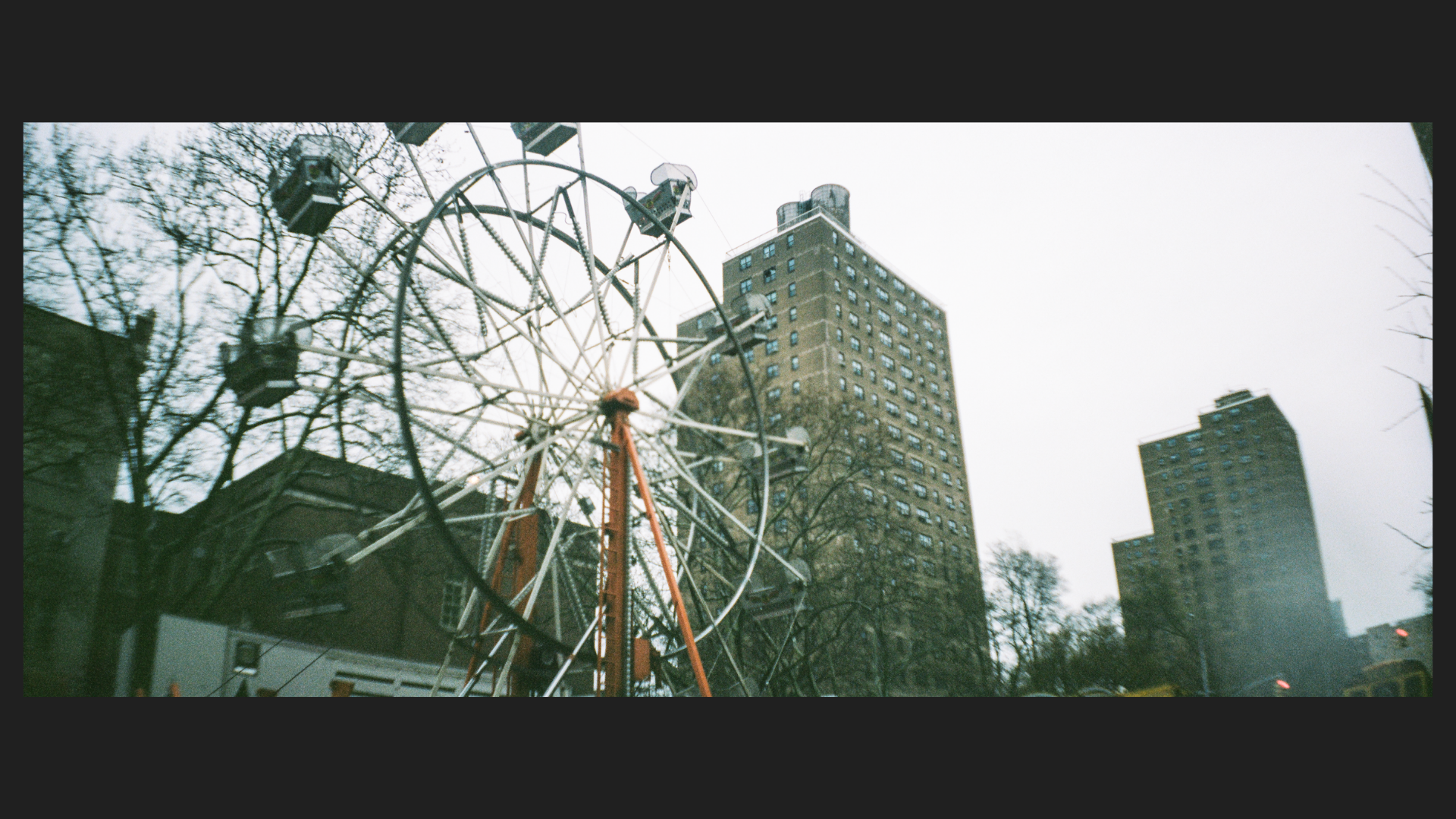
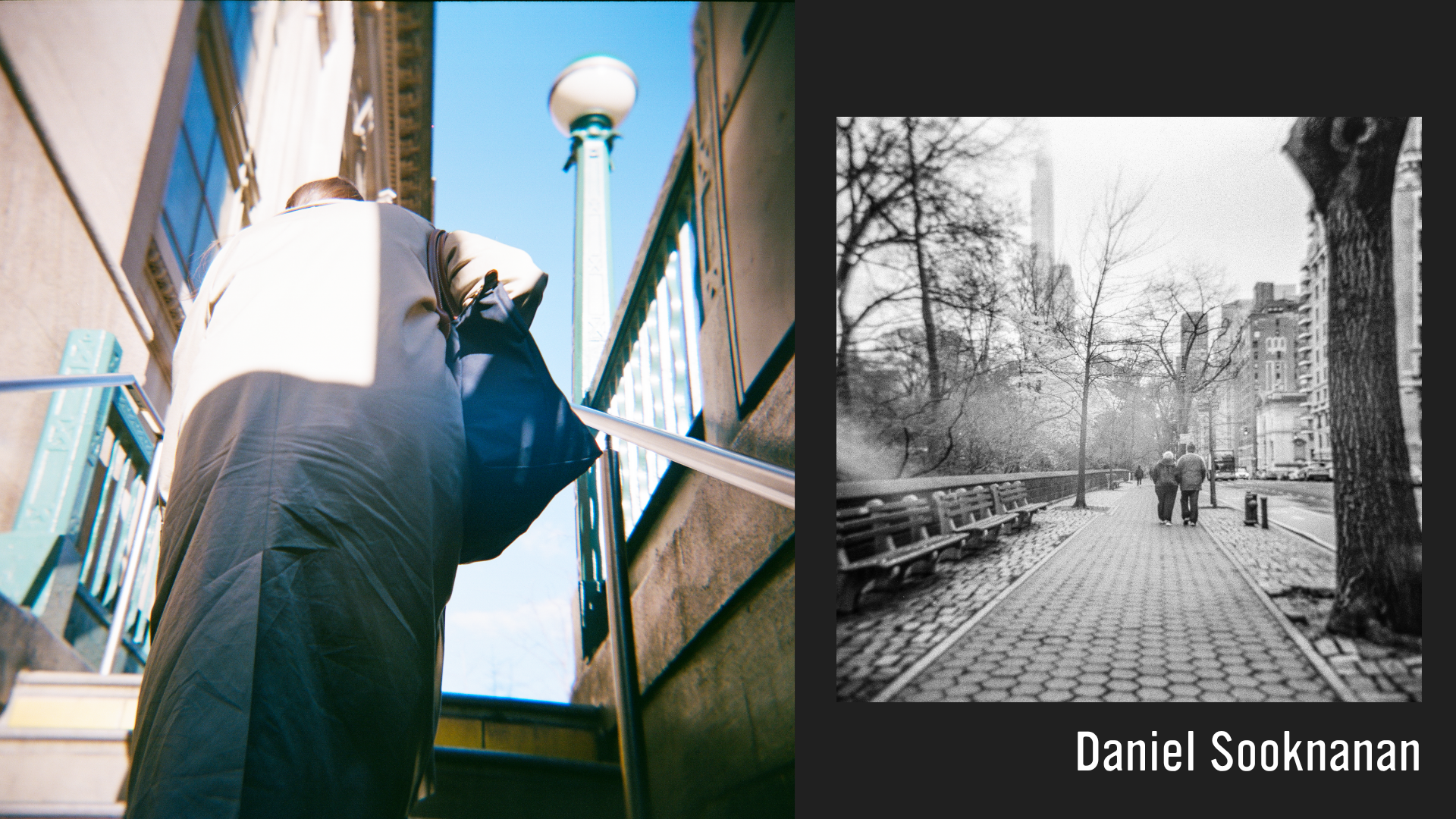
Daniel Sooknanan: Although a Computer Science & Math double major at Macaulay Hunter, Daniel loves to step into new disciplines and creative challenges when he’s not in front of the laptop screen. As a native New Yorker, he’s fascinated by how the city always seems superposed between being so large yet small; each neighborhood has its own distinct charm despite being a train ride apart. Throughout this fellowship, he seeks to capture the unique character of these local pockets while emphasizing how, despite these differences, we often call the same city home.

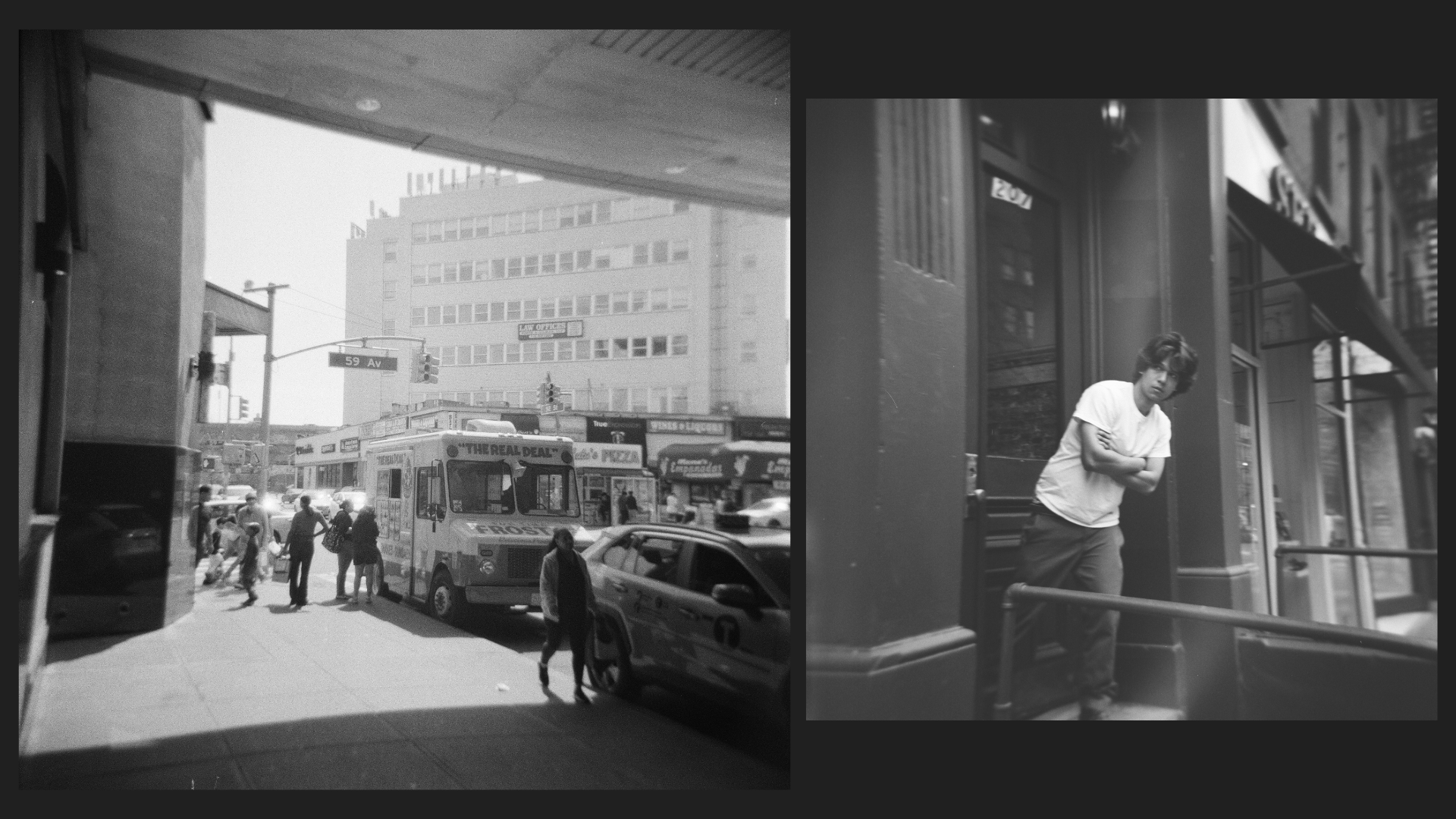
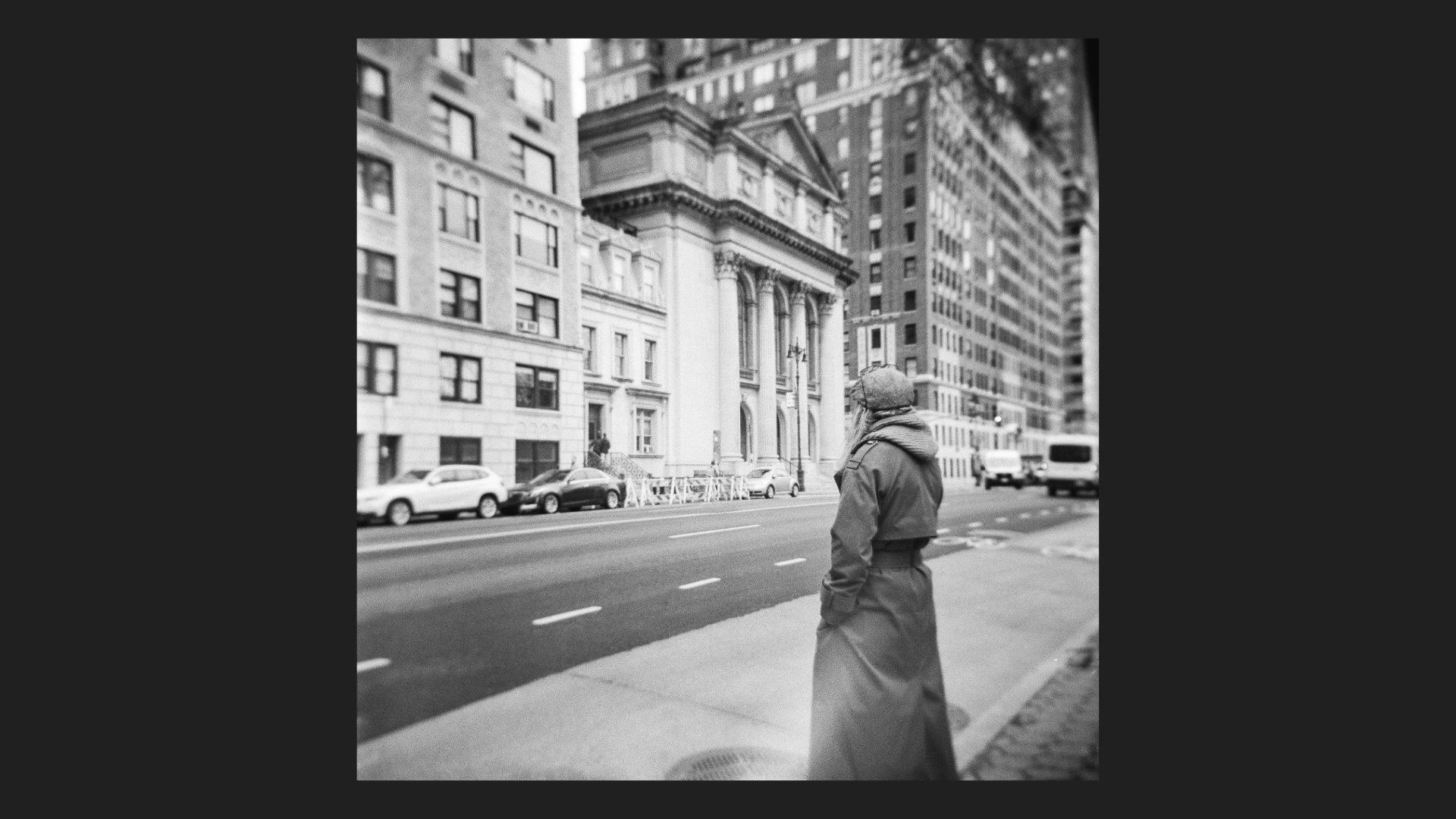
“When exploring the notion of Home Without Boundaries, I inevitably faced the question: what is “home?” Previously, I never grasped what home was until I realized I was away from it. I had been a fish asking where’s the ocean. Though I couldn’t put my finger on it, I always intangibly moved throughout it. Yet, once I was a fish out of water, I knew. That sense of familiarity was the crux of my work. I wanted to capture motifs that remind people how they’ve gone about the city. Peering into the sidewalk as you wait for a friend, walking together along Central Park, grabbing a cold treat at Queens Center Mall, or pausing to take in the high-rises. NYC ends up being this collective living room shared by millions of people. While we may walk different walks, we navigate the same streets. Though we hold different views, we share the same skyline. And even if we live in separate buildings, we might just call the same place home.”


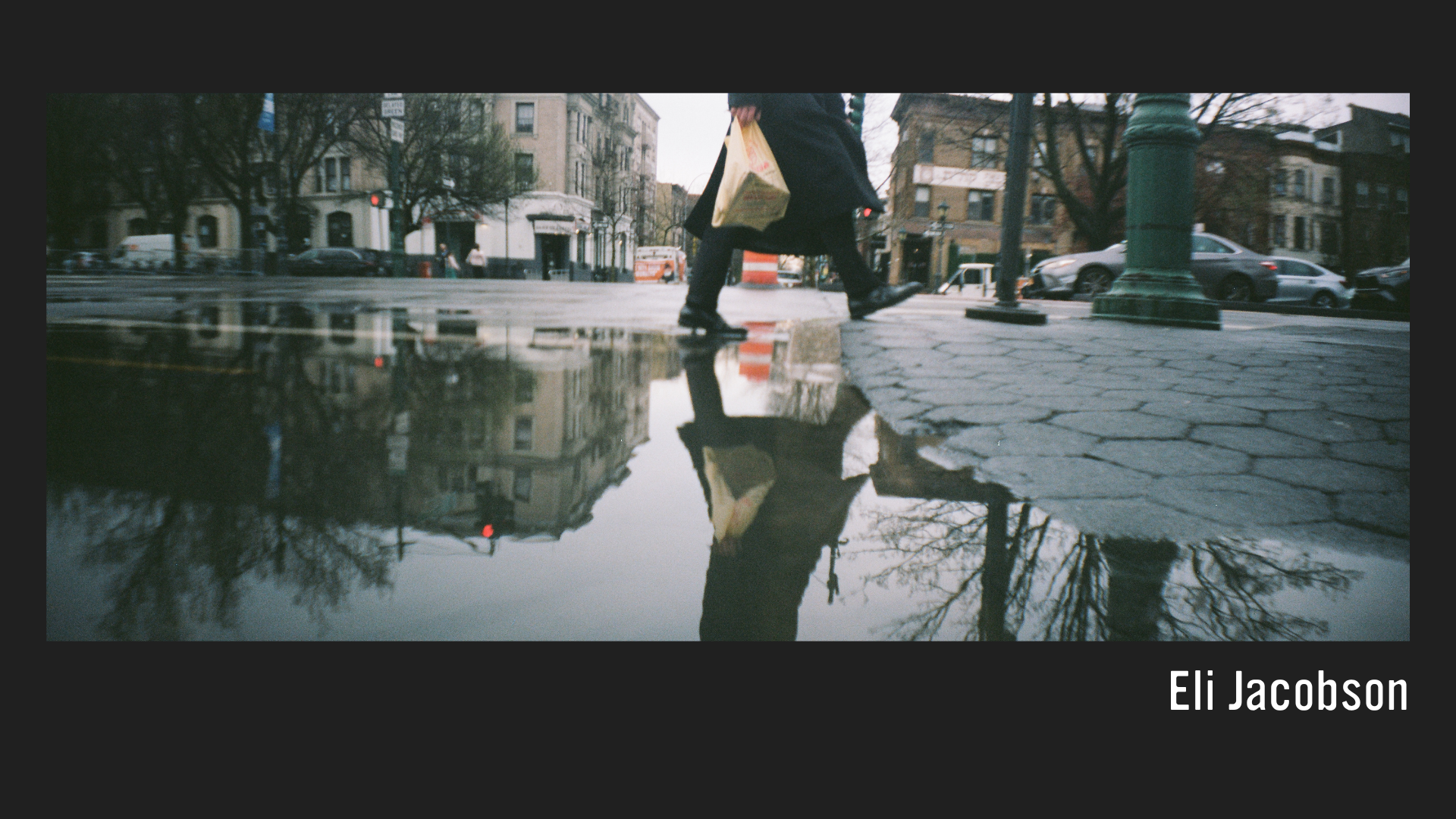
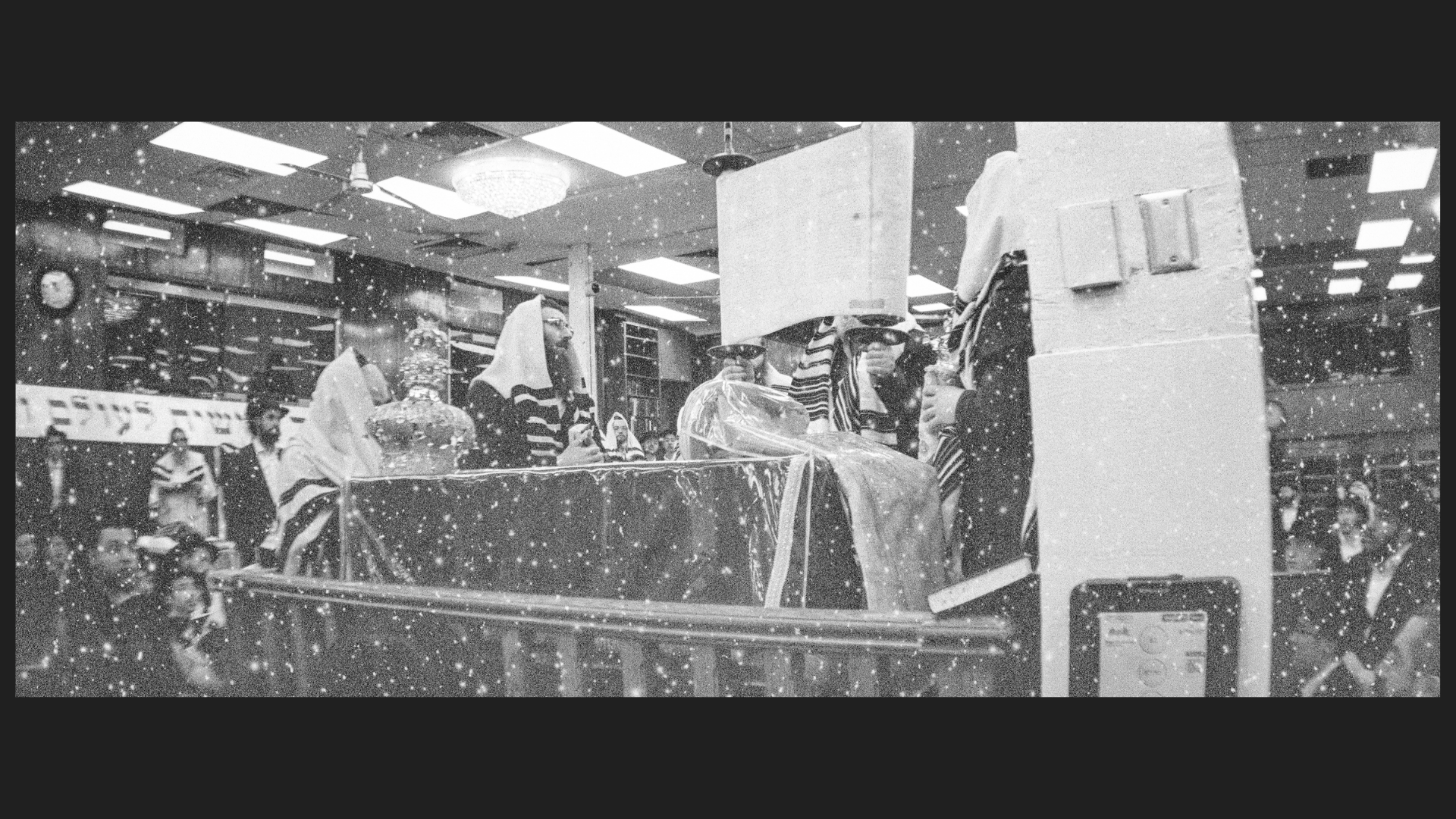
Eli Jacobson: Eli Jacobson is a street and documentary photographer based in Brooklyn, capturing the strange in the everyday through candid moments and human interaction. His work explores themes of isolation and connection, focusing on subtle gestures and fleeting encounters. He is currently studying film at the Macaulay Honors College at Hunter College.

“My work explores Hasidic communities in Brooklyn, from Williamsburg to Crown Heights, communities I call home. Using a panoramic camera, I wanted to show what home looks like to me. The wide field of view captures almost everything I saw in those moments, leaving less room to carefully crop, isolate, or shape the scene into a narrow narrative. What I hope this work begins to offer is a window into Hasidic Brooklyn: communities that are often private, self contained, and difficult for outsiders to access. More personally, I want these images to show what these places mean to me, not as something distant or exotic, but as home.”


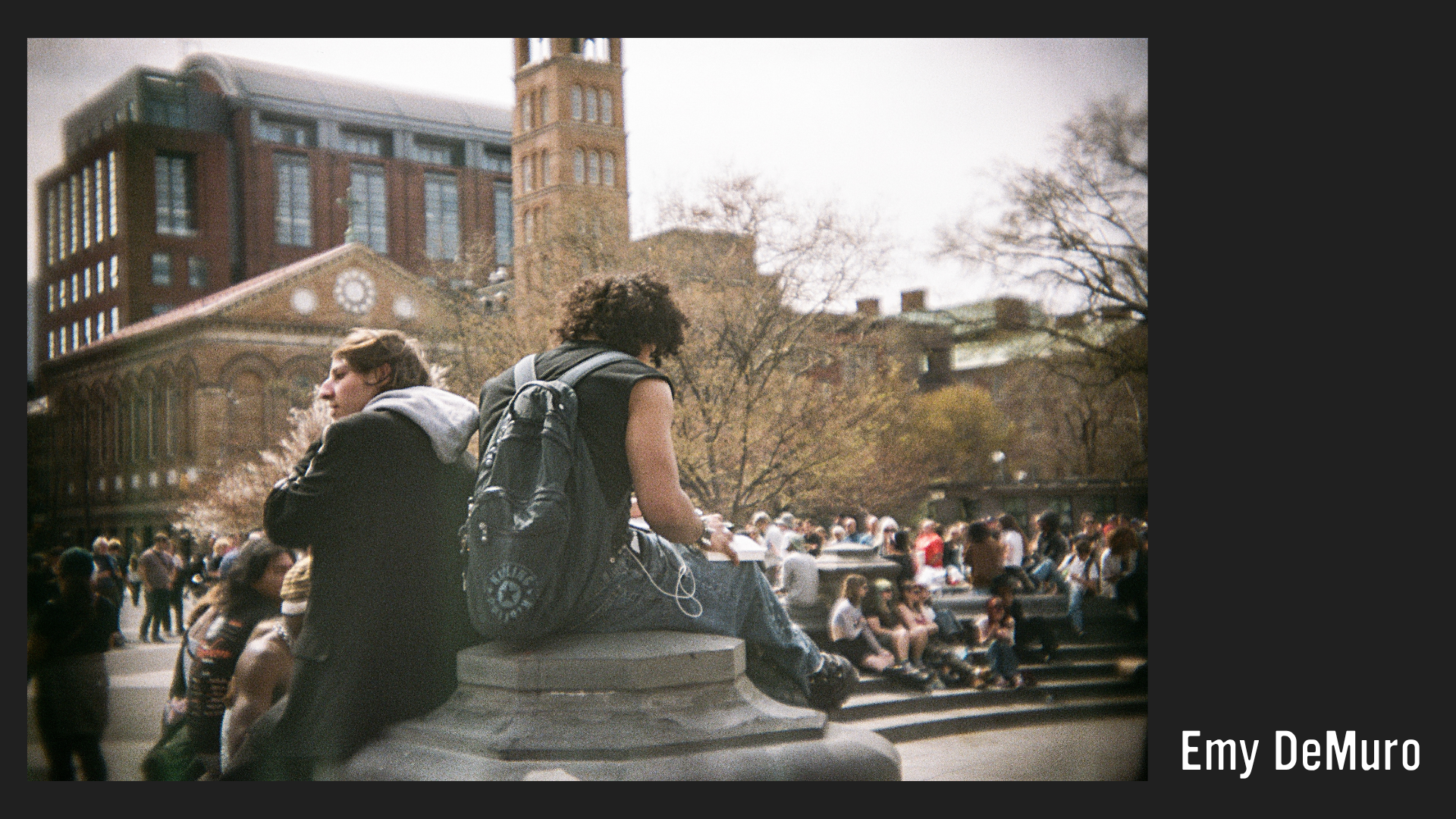
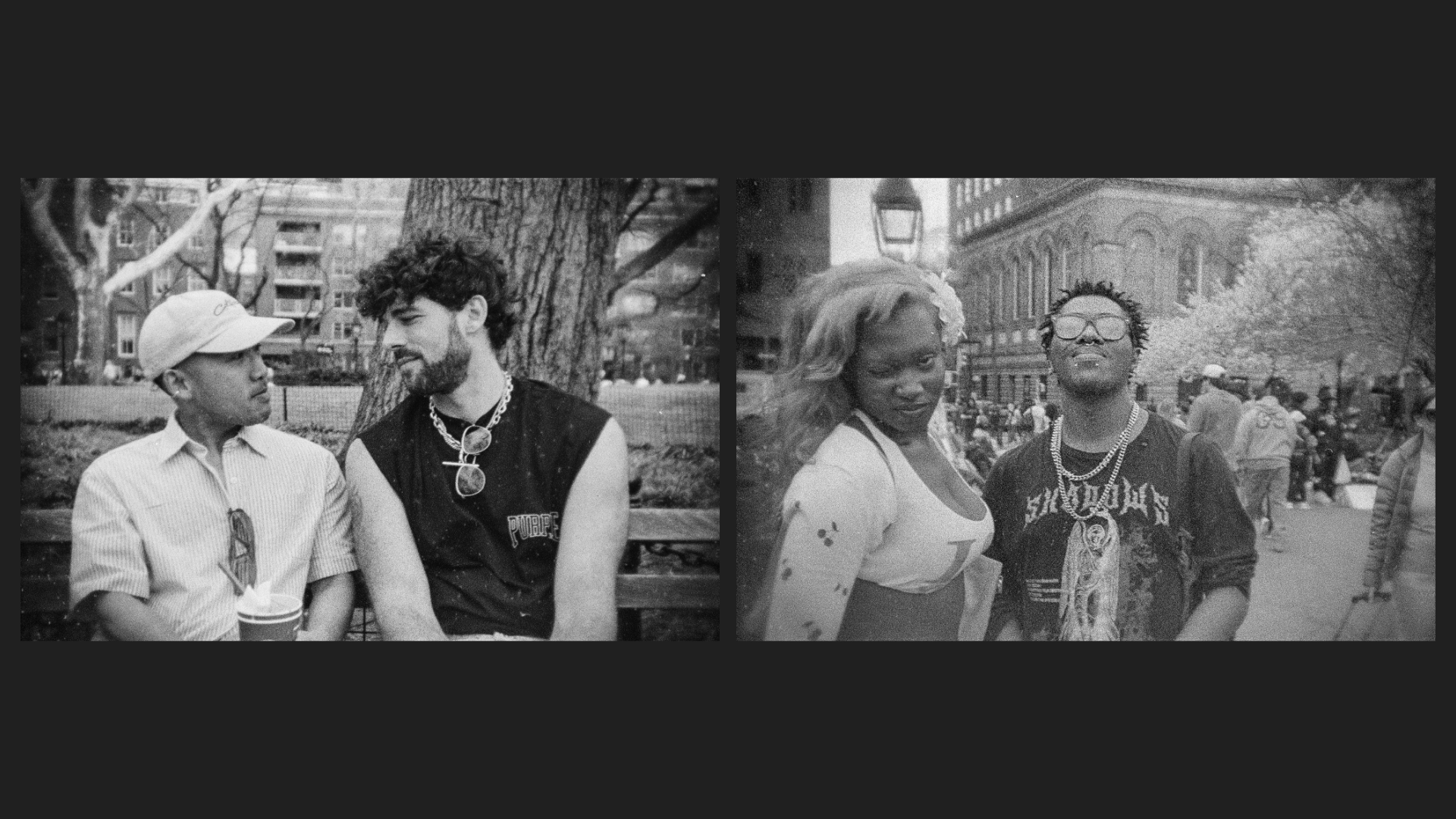
Emmy DeMuro: Emmy DeMuro is a senior majoring in Biology with minors in Psychology and Art history at the College of Staten Island at Macaulay Honors College. She has served as Vice President of Community Service on the Macaulay Scholars Council for the last two years and currently works as a Resident Assistant. After graduation, she plans to pursue a doctorate in Physical Therapy. In her free time, Emmy is an amateur photographer who primarily shoots digital and also has an interest in film production.

“For Home Without Borders, we wanted to explore how the concept of home for many New Yorkers exists in spaces beyond the walls of a physical apartment or house. In my part of the project, I focused specifically on queer spaces throughout New York City and the ways in which homes can be found in public spaces, shared environments and most importantly other people. For many people within the queer community home is not always something enclosed or permanent, but rather something created collectively through intimate moments of connection and belonging. One of the most meaningful parts of this project was discovering that many of the people I photographed already knew one another; this revealed to me how deeply interconnected these spaces and relationships can become. This also made me think about how community itself becomes a form of home for many. Throughout these images I hope to capture not only individuals but also the sense of comfort, recognition and collective identity that grows between them and expands outward to include us all. As someone who is a part of queer spaces throughout NYC it was deeply personal to get to put this spotlight on my community and show the love and adoration that people have for each other in their own Home Without Borders.”


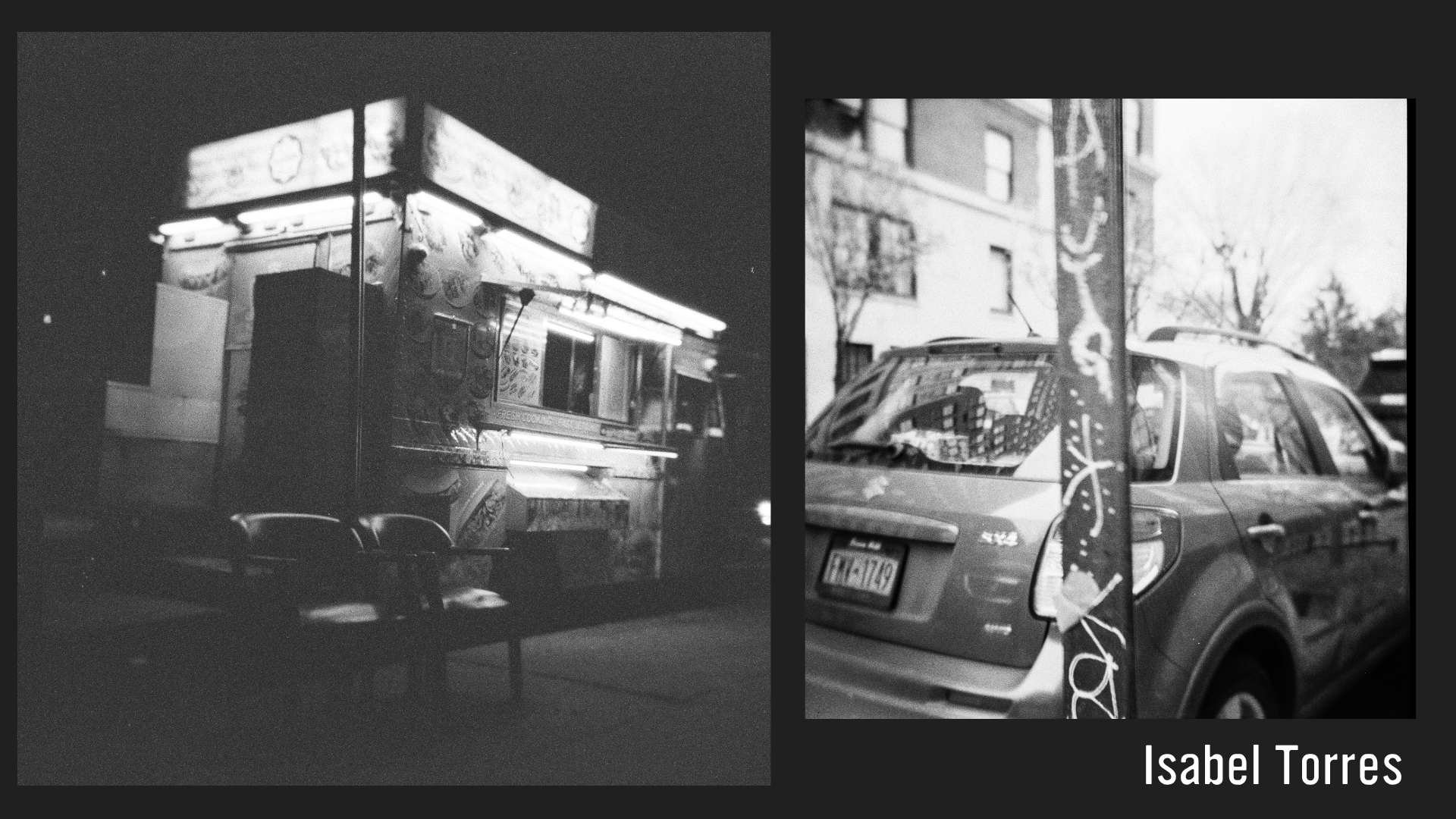
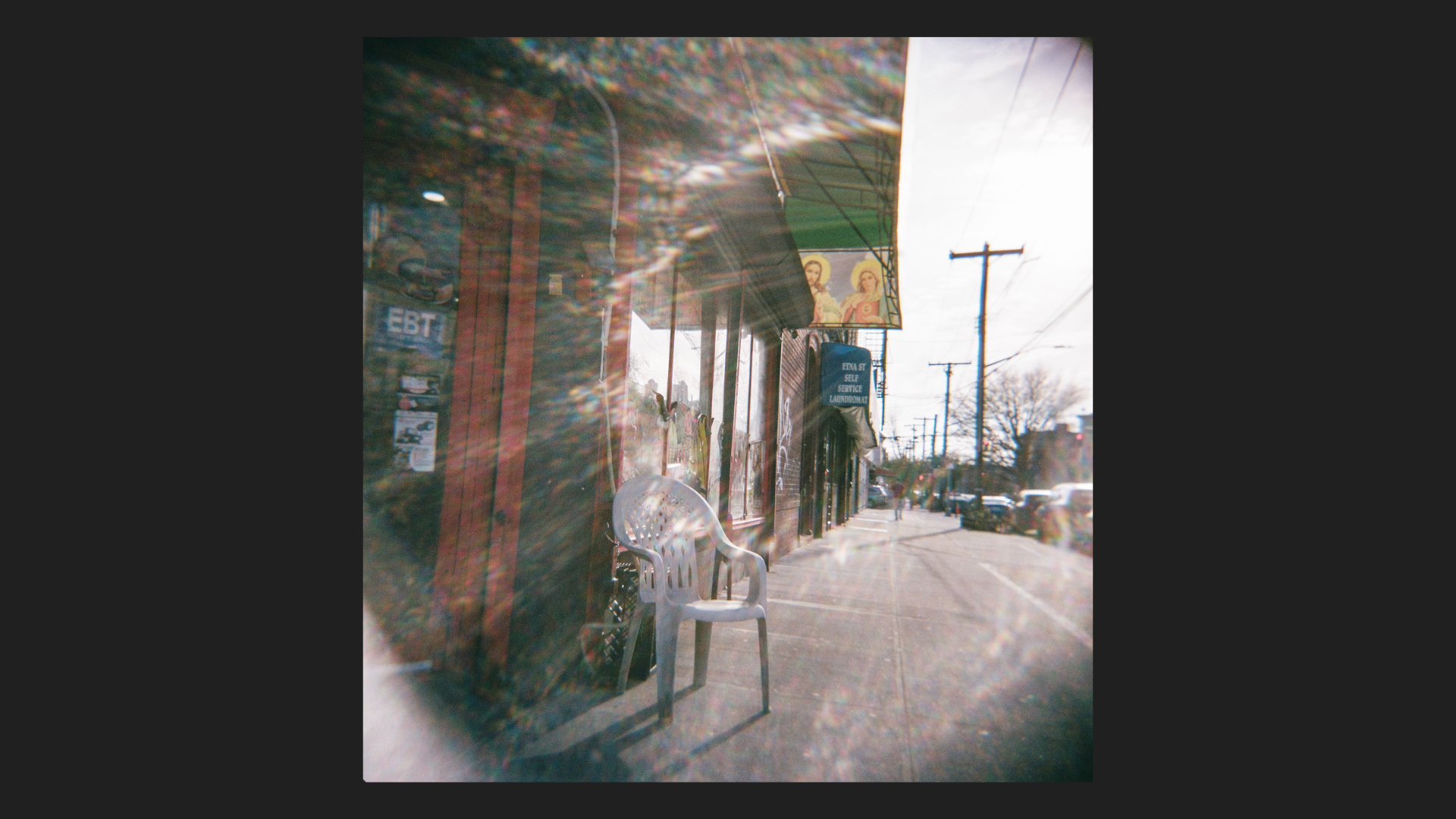
Isabel Torres: Isabel Torres is a junior at Macaulay Honors College at Baruch College, studying Public Affairs, and a proud Friedman Transfer Scholar from Queensborough Community College. A native New Yorker, she has seen firsthand how the city’s shared spaces create connection and foster a true sense of community. Through her work, she hopes to document how New Yorkers from all walks of life interact with these public spaces across different circumstances and stages of life.

“When I think of home, I do not think of a building or a specific place. I think of people and connection. Home is found in the conversations, relationships, and memories we create together. The photographs in this series focus on empty chairs and gathering spaces. While the people themselves are absent from the frame, their presence is still felt. These chairs serve as traces of community and evidence of moments shared, stories exchanged, and connections formed. They remind us that belonging is often created through human connection rather than physical structures. It is important to note that community spaces are not equally accessible to everyone. Safe, welcoming places to gather can be a privilege, yet what I find most beautiful is humanity’s tendency to create them anyway. Whether on a sidewalk, a stoop, in a park, or around a few chairs pulled together, people continuously find ways to build connection and foster belonging. To me, this spirit is an essential part of New York City and of what I call home. People transform ordinary spaces into places of community, proving that home can exist wherever people choose to come together.”


Khadijah Shoaab: Khadijah Shoaab is a Macaulay Honors freshman at the College of Staten Island. She is currently a Psychology Major hoping to go into speech therapy. She loves the arts, baking, and making people laugh!

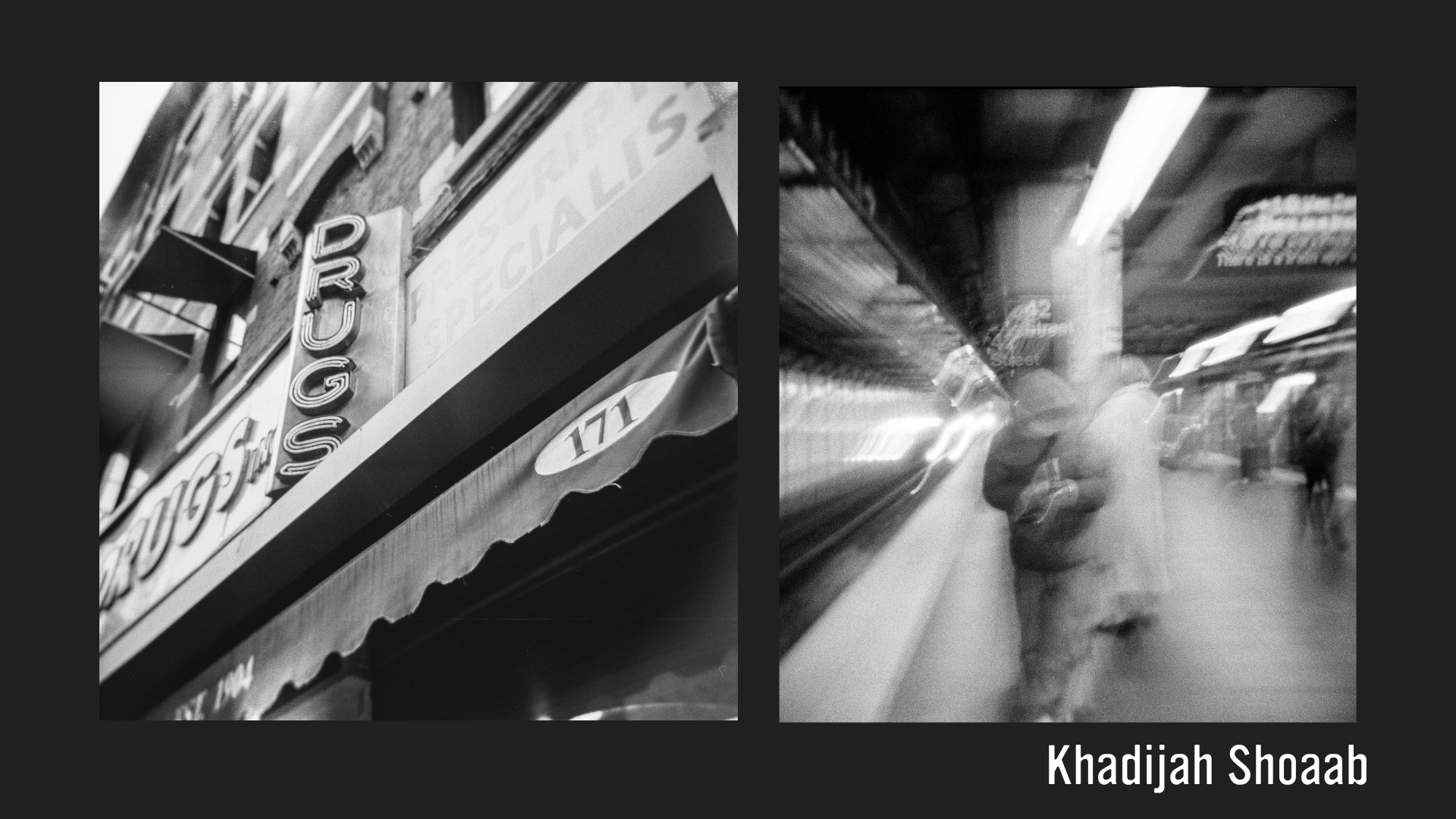
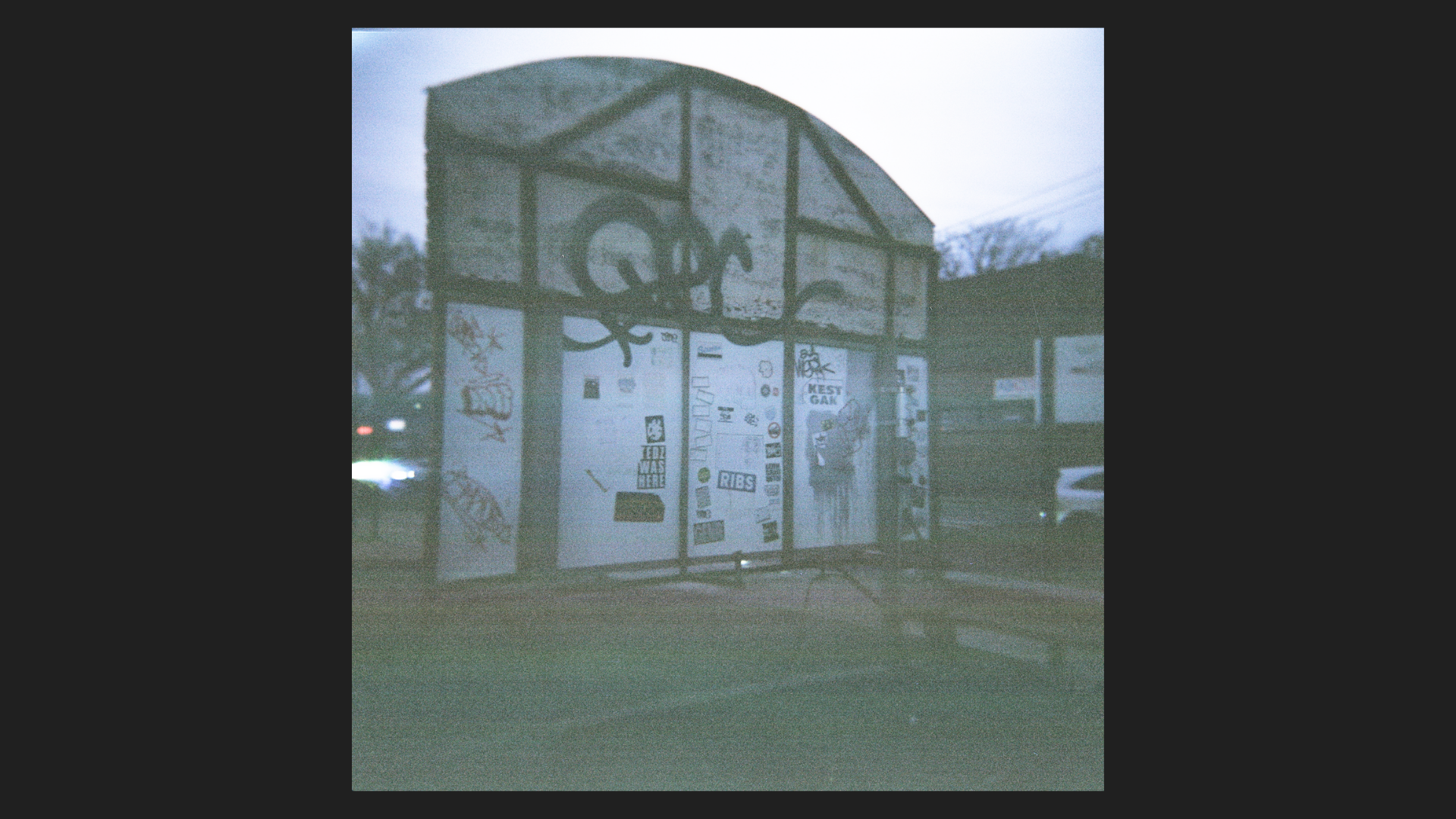
“From my journey of exploring photography to exploring what home means to me, this process has created an immense amount of questions that I have set out to answer through photographs. When asking myself what I thought home is, I thought of the fond feelings I have of Coney Island, where I grew up. However my early teen years were spent in Manhattan where I went to school and I also live in Staten Island now, so what is truly my home? I came to the conclusion that for me home isn’t a place, rather it is the memories of the people, the trains, ferries, the food, and the laughs I shared in these spaces that make them home. Capturing this feeling in photographs was rather difficult because these memories play in my head in motion. That’s why my photos have a bit of fluidity and different lighting because life isn’t a constant clear shot in my head either. While I did struggle with capturing the right amount of motion in my photos, it can be seen in the train station shot where the man is seemingly at home in the chaos of New York City’s bustling train stations. There is also an image [of the pharmacy] that is caught in stillness . There are sharp numbers and letters, like some of my brightest memories. They are crisp and calm like signage on a sunny day. There’s a humanness to these memories that are shared when people reminisce. They want to be remembered and remember those they love. In the shot labeled remembrance I wanted to capture people’s yearning to leave marks of their existence. These little stickers, sharpie messages, and graffiti are part of the culture.”


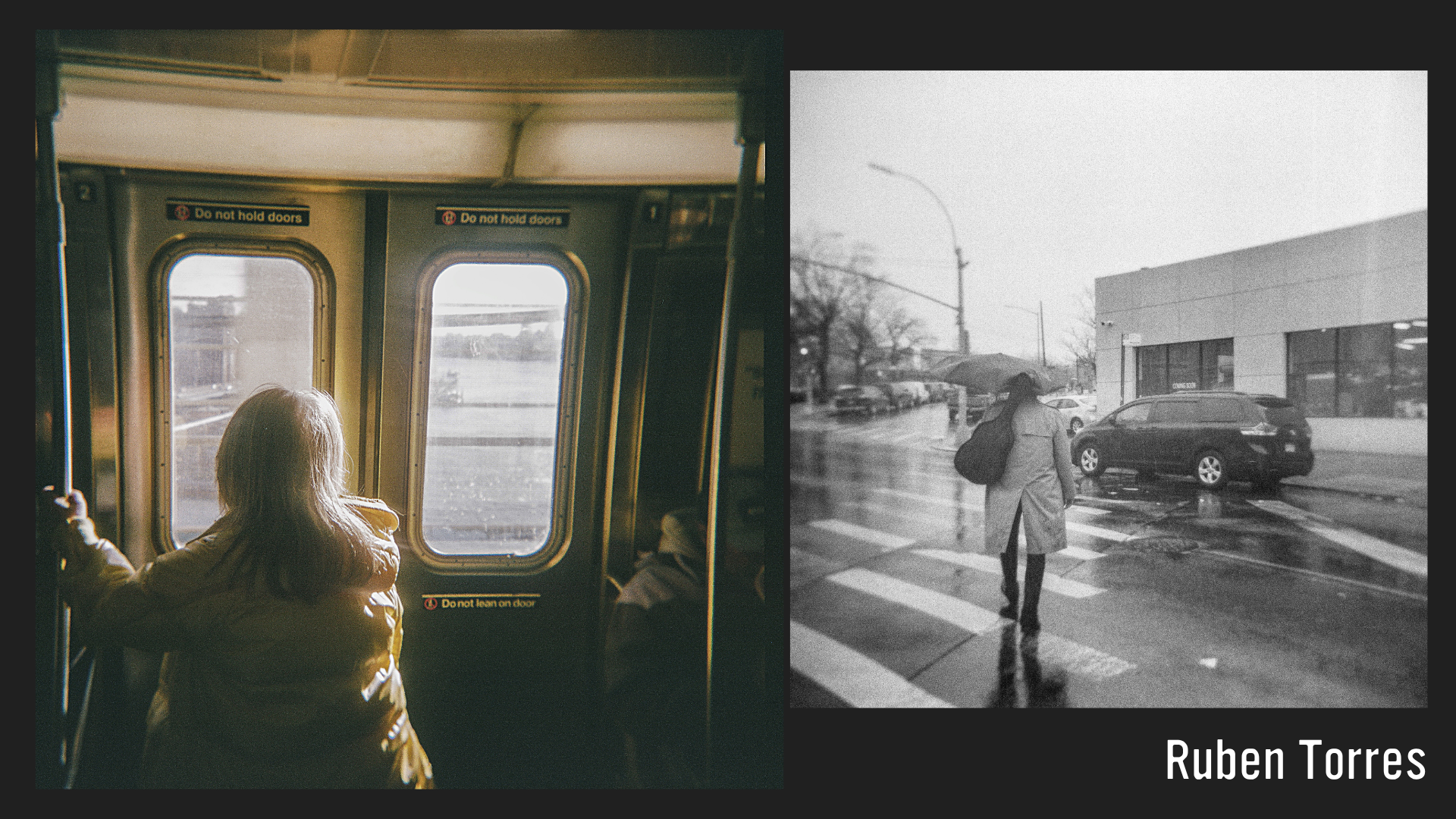
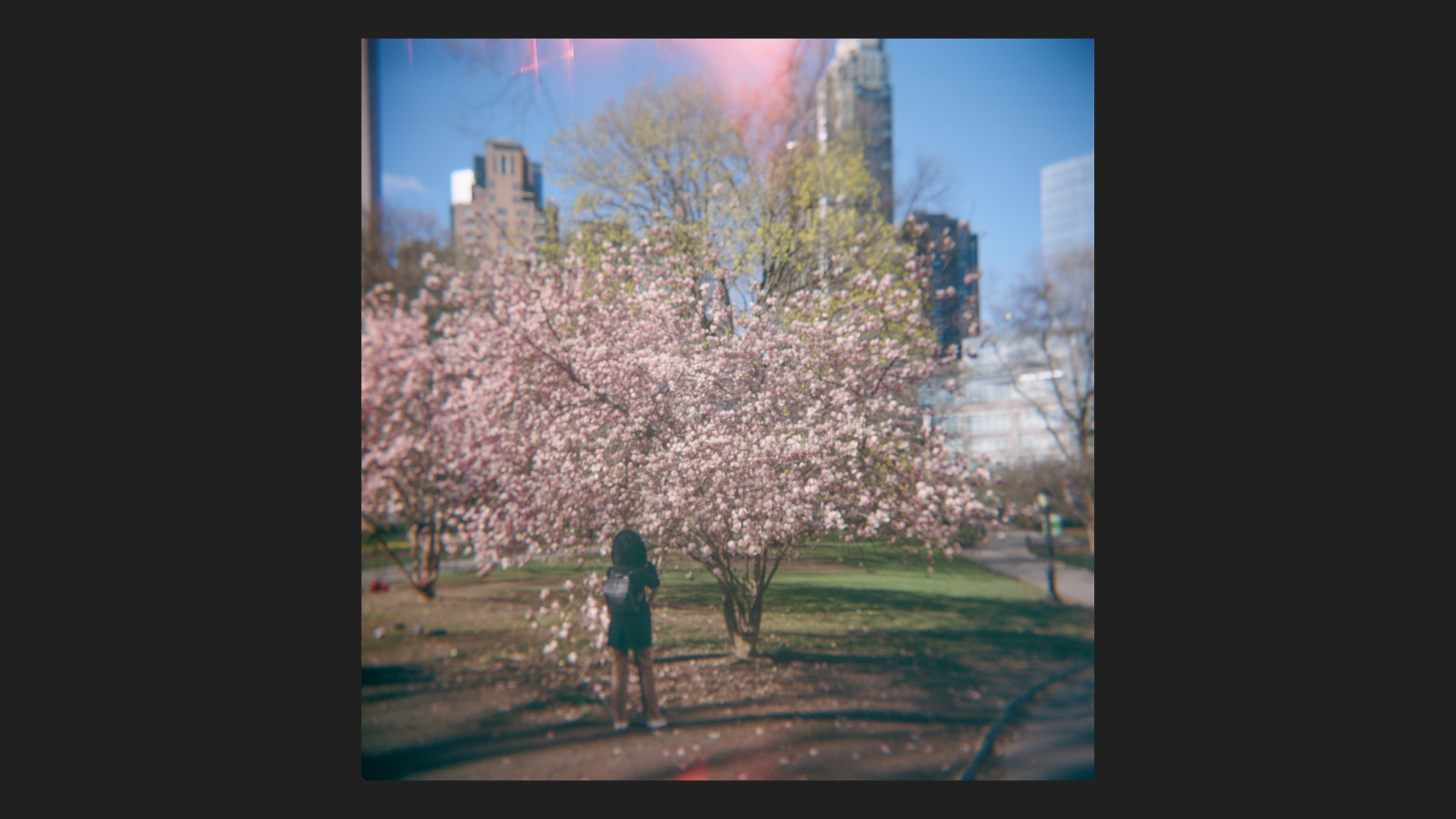
Ruben Torres: Ruben Torres, is a first-generation Mexican-American Macaulay Honors freshman at Baruch College, majoring in Marketing Management. Photography has always been a passion of his, and he hopes to continue honing my skills through this amazing opportunity!

“Home is more than just four walls and a roof; it is the feeling of comfort, security, and community. Routines become home, whether that’s the familiar path to work, the view from the train’s window ingrained into your memory, or the annual bloom of local trees. Home is what you make it; home has no boundaries.”


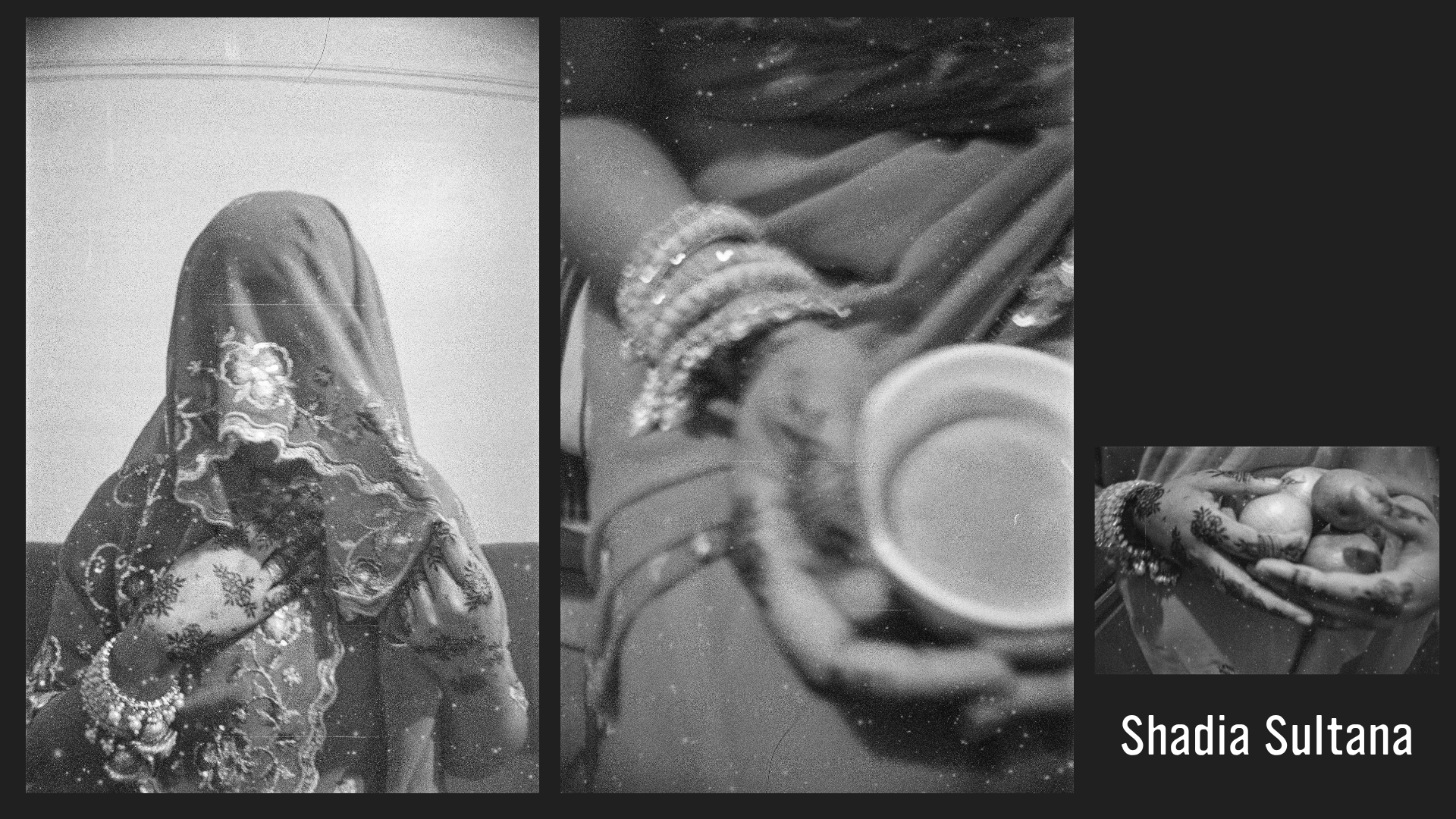
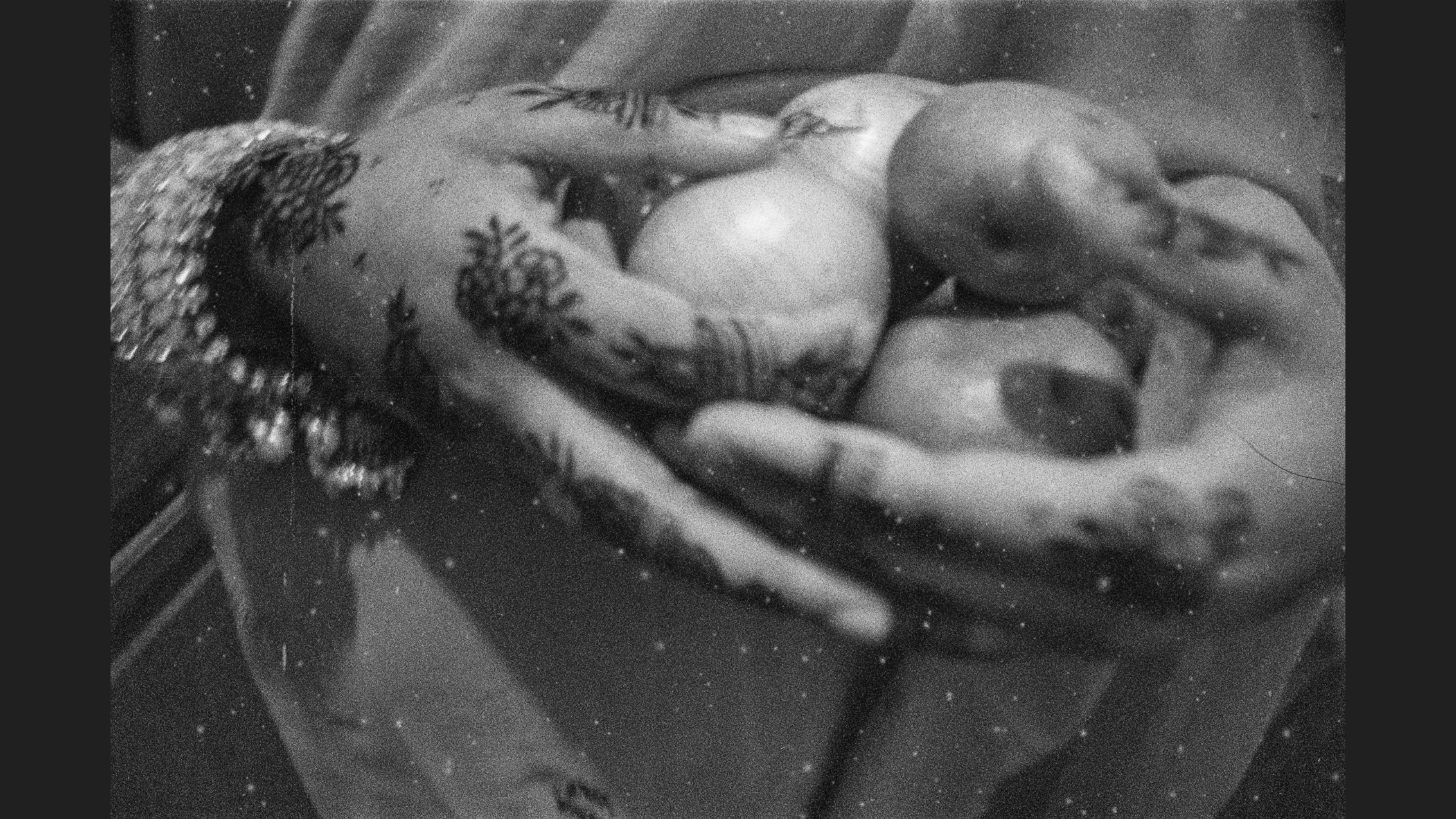
Shadia Sultana: Shadia Sultana is a Business Management and Administration student with a minor in Journalism. With a deep passion for arts and culture, she enjoys exploring different creative mediums and embraces opportunities to express herself artistically.

“Through my experiment with film photography, I wanted to showcase a culture that is deeply rooted in my heart. These photographs are dedicated to Bengali women, whose resilience continue to preserve Bengali culture and traditions wherever they go. A Bengali phrase, “Je radhe she chul o badhe,” celebrates women’s ability to balance hard work and elegance at the same time. Like the subject in my image, Bengali women carry beauty, strength, and grace even while doing everyday work. Even when living far from their country of origin, Bengali women carry their culture with them through the way they dress, raise their children, and participate in daily life. Whether in parks, grocery stores, shopping centers, or other public spaces, their traditional clothing and cultural practices become visible expressions of identity and belonging. Through these everyday acts, home extends beyond physical walls and national borders, existing wherever culture and community are preserved.”


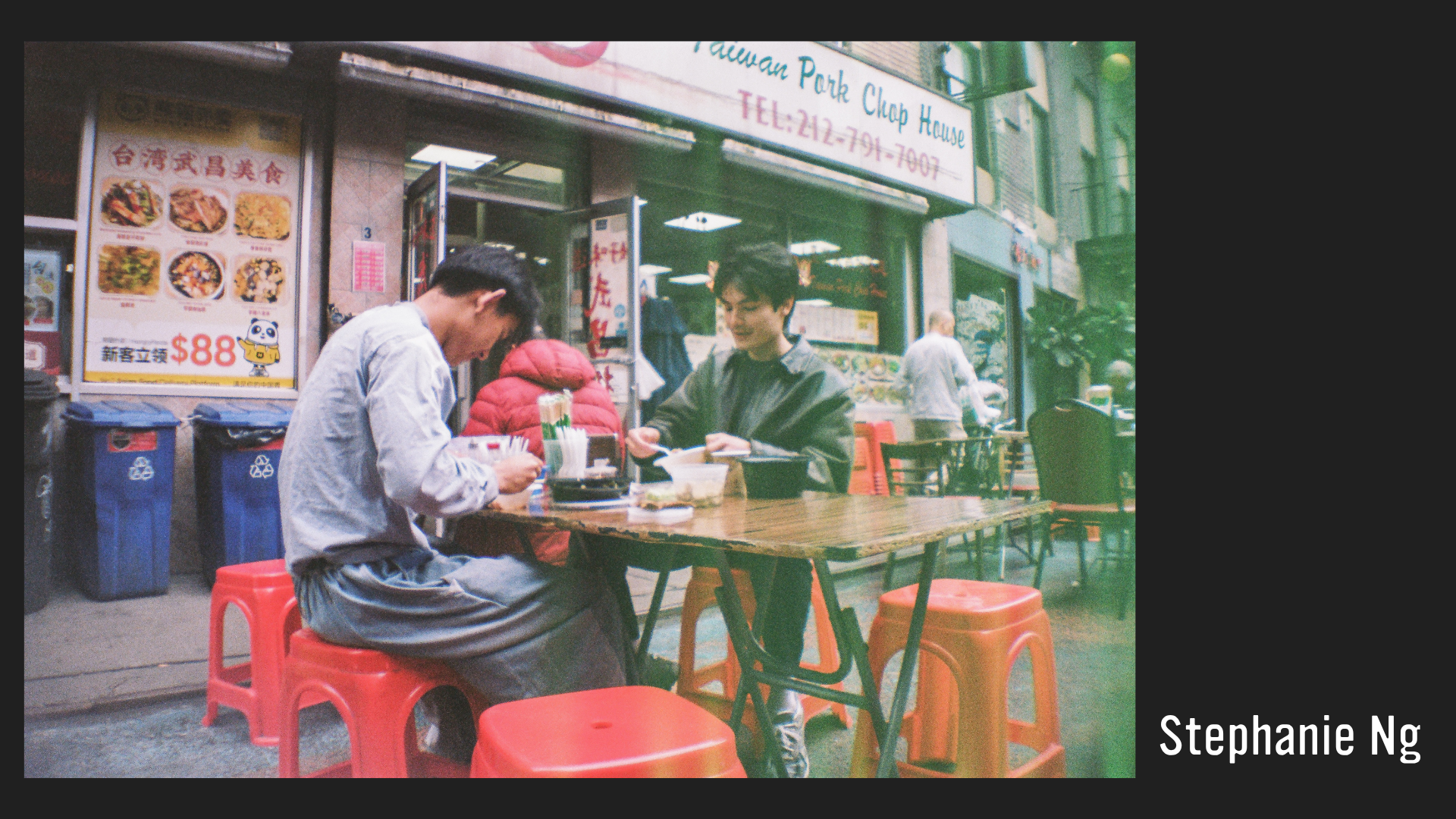
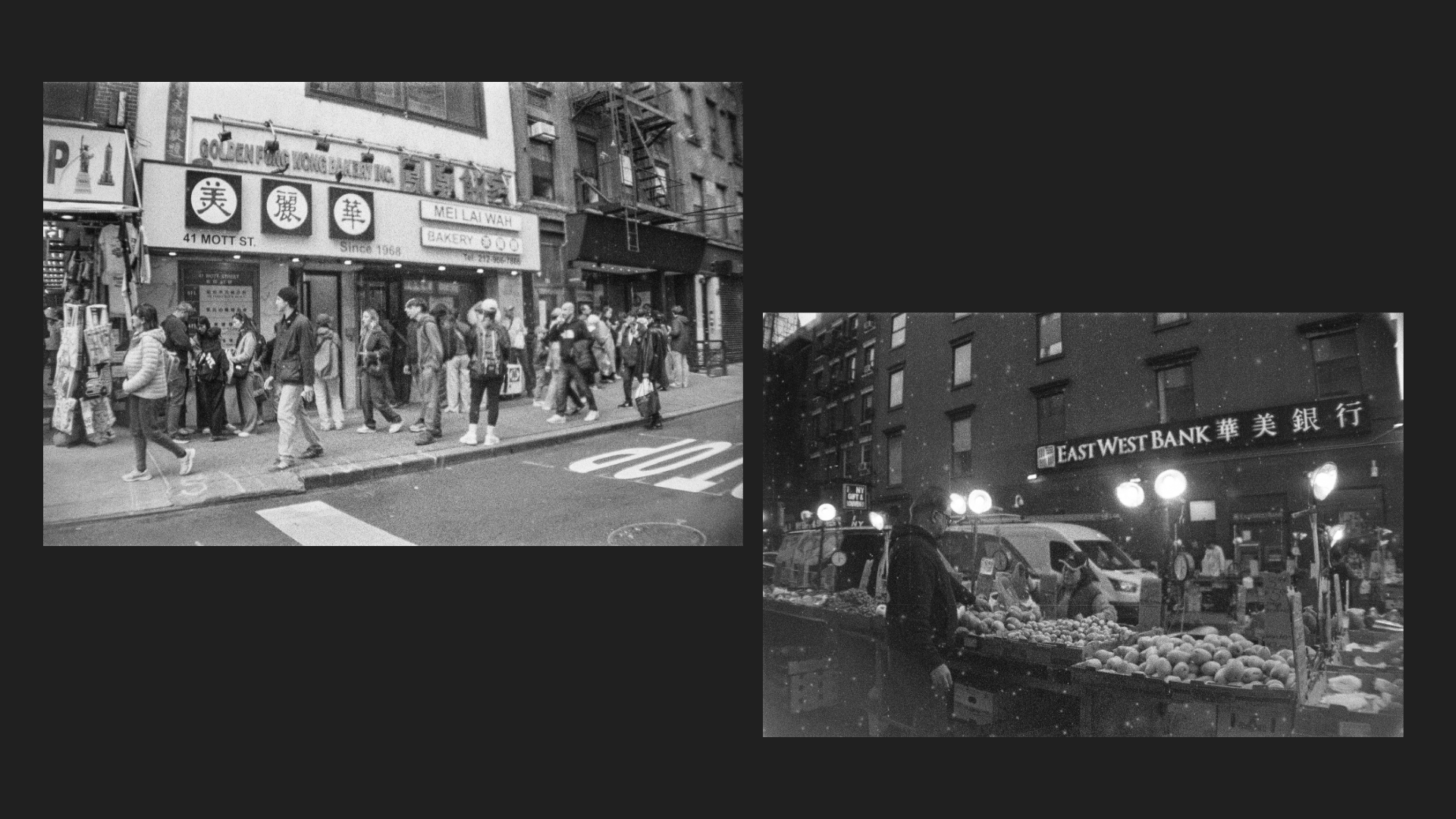
Stephanie Ng: As a food management studies student, Stephanie enjoys exploring different cultures through cuisines and traditions. From this fellowship, she hopes to learn more about New York City environments and strengthen her communication skills through visual storytelling. Most of all, she is excited to learn more about the art of photography.

“My work spotlights my hometown, Chinatown. Growing up in a neighborhood that embraces authentic traditions played an integral role in shaping my identity and sense of belonging. To me, Home Without Boundaries is best represented through food, which serves as a universal symbol of heritage spanning from casual, home-cooked meals to major holiday banquets. By combining my love for culinary traditions with visual storytelling, this project highlights that home is not defined by physical buildings, but exists wherever meals are shared and memories are made.”

Breakpoint: small Breakpoint: medium Breakpoint: large
Container Padding:
Column width:
Gutter:
1
2
3
4
5
6
7
8
9
10
11
12
13